
Two Simple OT Security Actions That Can Prevent a Major Incident
Two simple OT cybersecurity gaps can create significant risk: default credentials and unnecessary Internet-facing ICS/SCADA devices.
Read article →Practical cybersecurity guidance for utility, municipal, industrial, and critical infrastructure leaders.
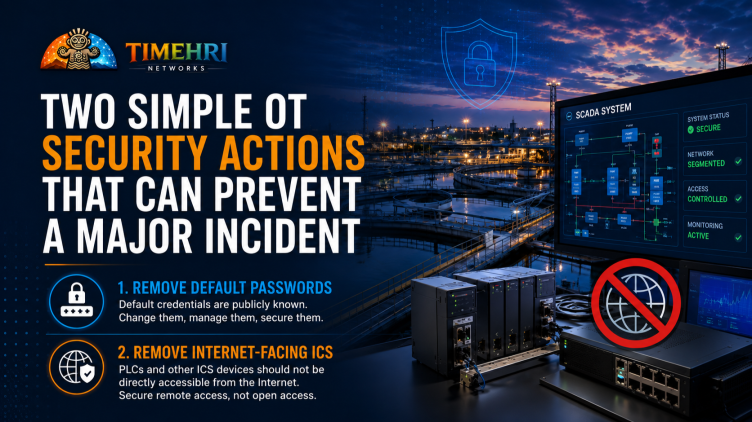
Two simple OT cybersecurity gaps can create significant risk: default credentials and unnecessary Internet-facing ICS/SCADA devices.
Read article →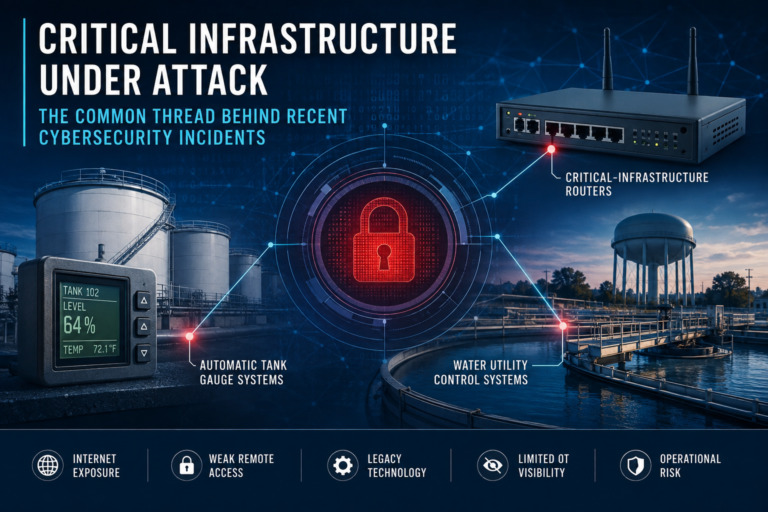
Recent cyberattacks against critical infrastructure reveal a troubling pattern: attackers are repeatedly exploiting Internet-exposed devices, weak remote-access controls, legacy technology, and insufficient OT visibility to move closer to physical operations. From automatic tank gauges and network routers to water utility control systems, these incidents demonstrate why critical-infrastructure organizations must strengthen segmentation, authentication, monitoring, asset inventories, and operational resilience.
Read article →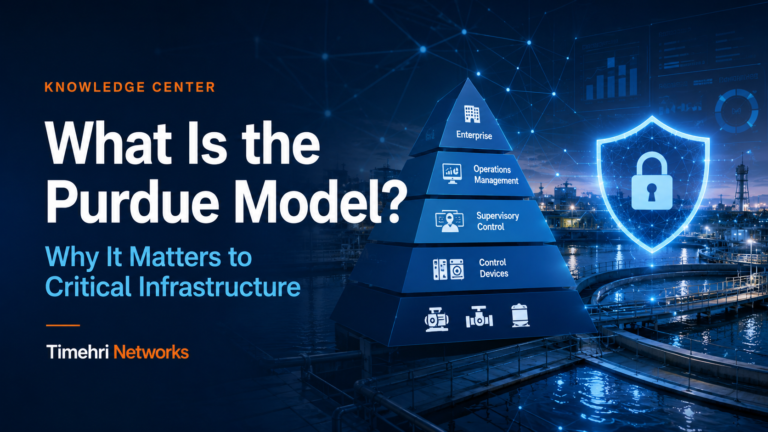
The Purdue Model organizes industrial systems into logical levels from physical equipment and control devices to SCADA, operations management, and enterprise networks. This article explains how critical-infrastructure organizations can use the model to strengthen IT/OT segmentation, control access, reduce attack pathways, and protect essential operations.
Read article →
Secure remote SCADA access requires more than a VPN. Learn how MFA, jump servers, industrial firewalls, session logging, and network segmentation protect critical operations without downtime.
Read article →
Water utilities face cyber risks involving SCADA systems, remote access, ransomware, vendor connectivity, legacy assets, and operational continuity. This article examines ten priority risks using NIST and AWWA guidance.
Read article →